
When Connectivity Matters Most: The Flight You Didn’t Plan For
May 19, 2026
In business aviation, not every mission is planned weeks in advance.
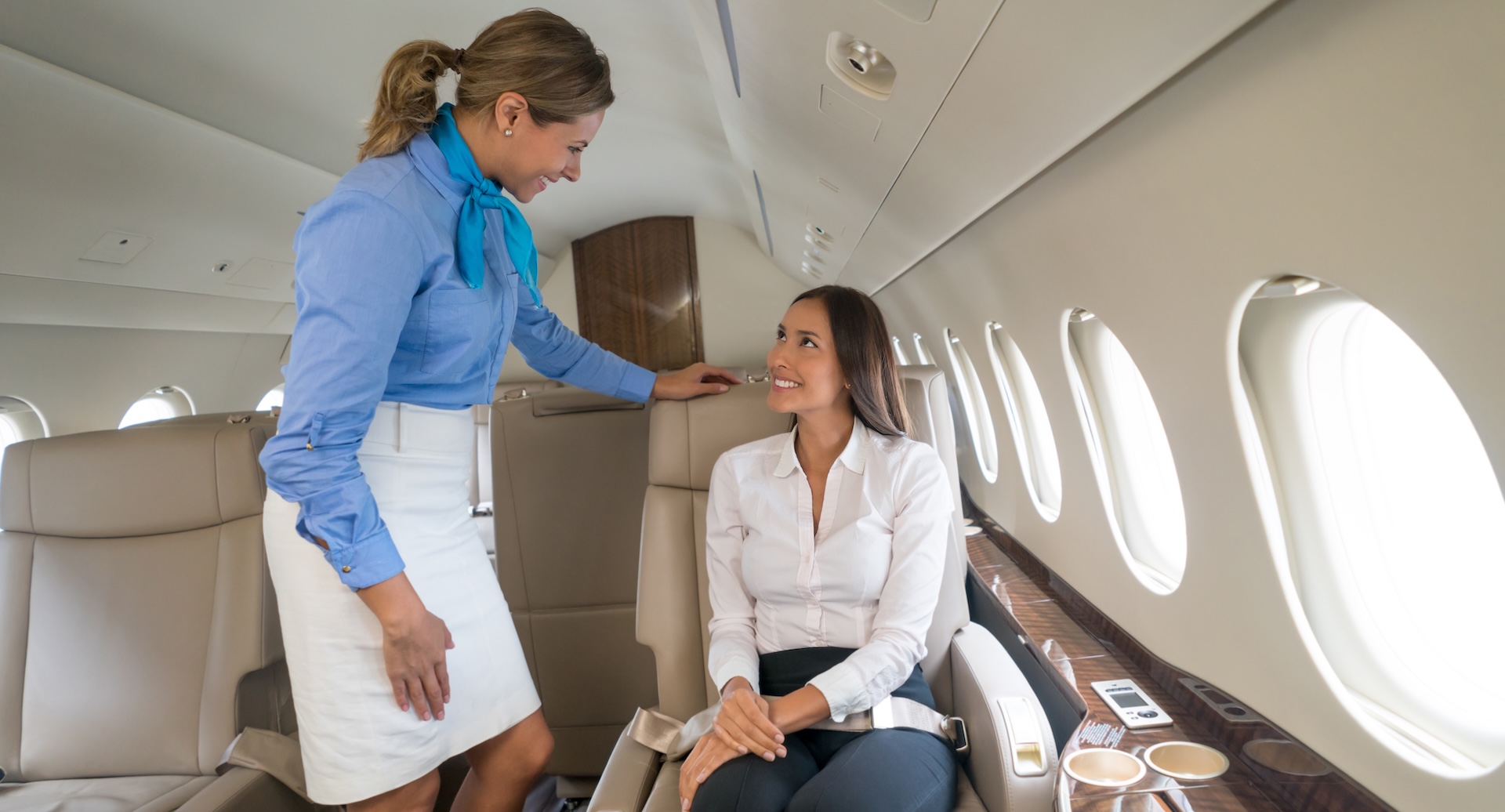
Sometimes the call comes late at night. A senior executive needs to be in another city by morning for an unexpected customer meeting, an acquisition discussion, or a time-sensitive operational issue. The aircraft is ready, the crew is assembled quickly, and everyone moves fast to make departure happen.
But this particular trip has something different, a newly hired flight attendant flying their very first trip with the department.
As passengers settle into the cabin, one executive immediately asks the question every flight department hears today:
“Can you help me connect to the Wi-Fi?”
The new flight attendant pauses. She understands cabin service perfectly, but she has never used this aircraft’s connectivity system before. One passenger cannot connect. Another device drops the network. A VPN isn’t loading correctly. Suddenly, what should have been a seamless inflight experience becomes stressful for both the passengers and the crew.
For many flight departments, this scenario is more common than people realize.
Today’s aircraft cabins are fully connected business environments. Executives expect uninterrupted access to meetings, email, cloud applications, and real-time communication the moment they step onboard. But delivering that experience consistently requires more than installing hardware. It requires preparation, onboarding, and training for the entire flight department.
That’s where Gogo helps set operators apart.
Connectivity Is Only Valuable If Everyone Knows How to Use It
Inflight connectivity has evolved far beyond simply “having Wi-Fi.”
Passengers now expect:
- Video conferencing without interruption
- Secure VPN access
- Simultaneous multi-device connectivity
- Large file transfers
- Real-time collaboration
- Streaming business news and market updates
When something doesn’t work immediately, passengers often turn to the cabin crew first. That means flight attendants, pilots, schedulers, and support personnel all play a role in the connectivity experience.
At Gogo, supporting a flight department starts well before the aircraft ever departs.
Entry Into Service: Preparing the Entire Flight Department
When new connectivity equipment is installed, Gogo provides Entry Into Service support designed to help the entire operation feel confident using the system from day one.
That includes:
- Hands-on familiarization with the equipment
- Training for pilots and cabin crew
- Guidance on passenger connectivity workflows
- Troubleshooting support procedures
- Operational best practices
- Education for schedulers and maintenance teams
For a new flight attendant stepping onto their first trip, that preparation matters.
Instead of uncertainty, they know how to:
- Help passengers connect quickly
- Explain onboard network access
- Troubleshoot common issues
- Coordinate with support when needed
- Deliver a smooth, professional experience
And when executives are relying on inflight connectivity to run business in real time, confidence from the crew creates confidence in the entire flight department.
Supporting More Than Technology
Business aviation is ultimately a people business.
The best connectivity experience happens when technology, training, and support all work together. Flight departments are managing increasingly complex cabin environments with more devices, higher passenger expectations, and missions that cannot afford interruptions.
Gogo’s approach goes beyond hardware installation. It’s about helping operators integrate connectivity into daily operations with the training and support needed to keep flights running smoothly.
Because when the unexpected trip appears on the schedule and every minute matters, the goal is simple:
Passengers stay productive.
Crews stay confident.
And the business keeps moving forward.